
Case study - Cottonwood

A Tale of Two Soils
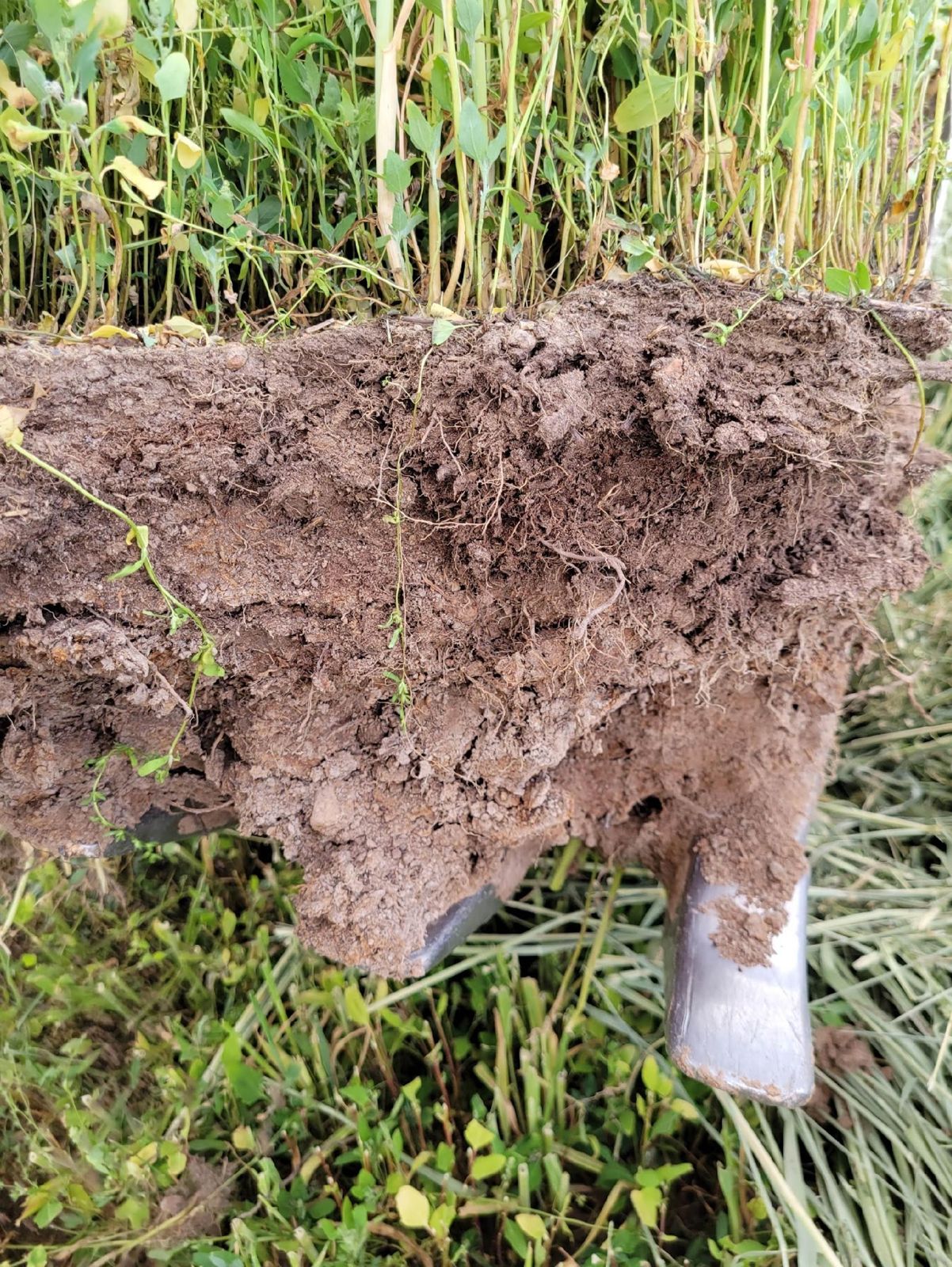
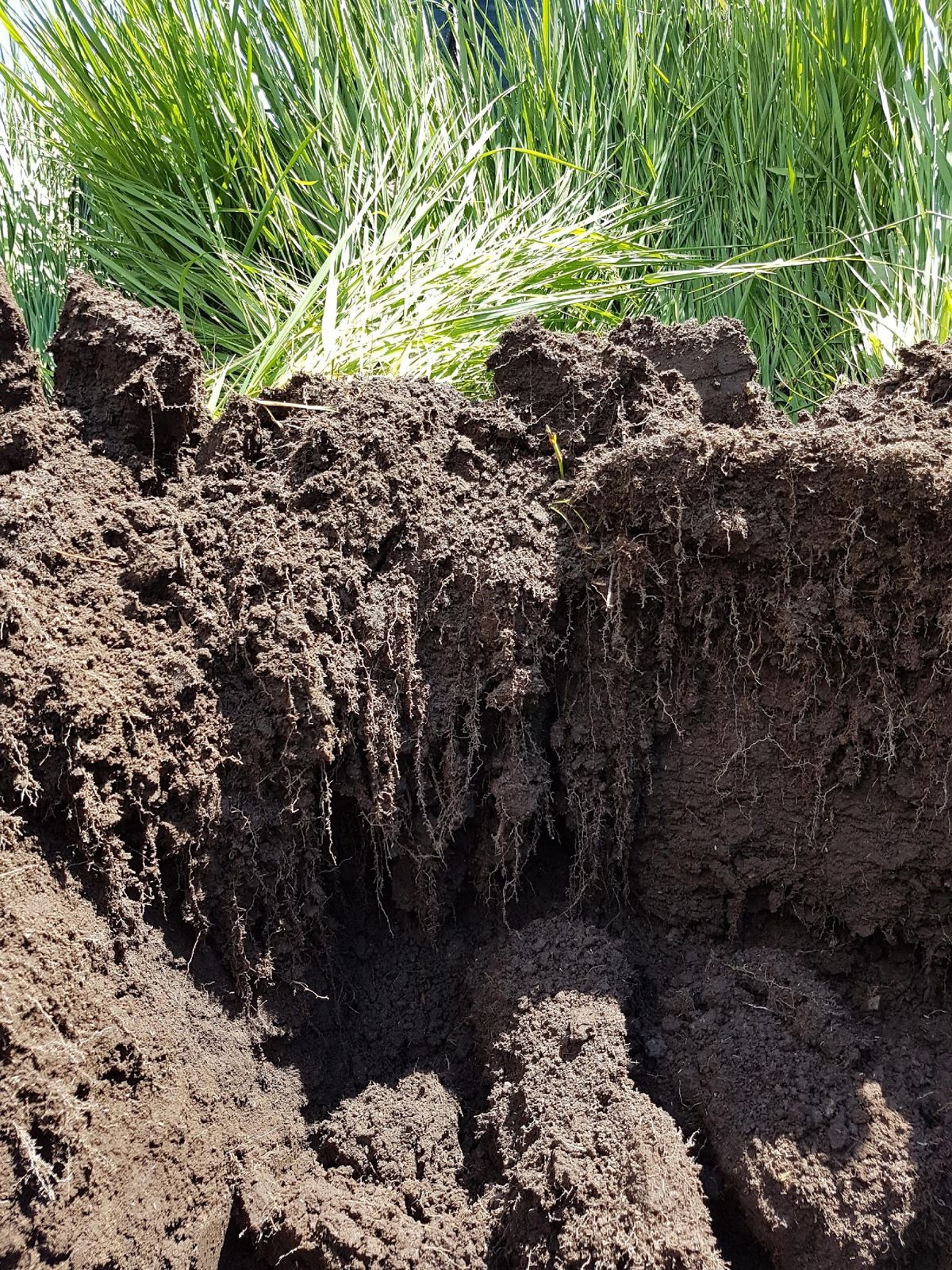
Two pastures face each other across a stream. One has spent 120 years under a degrading irrigation system; the other has had 30 years of holistic management. This is what the soil, the plants and the biology looked like on each side, and what changed on the south side between 2018 and 2022.
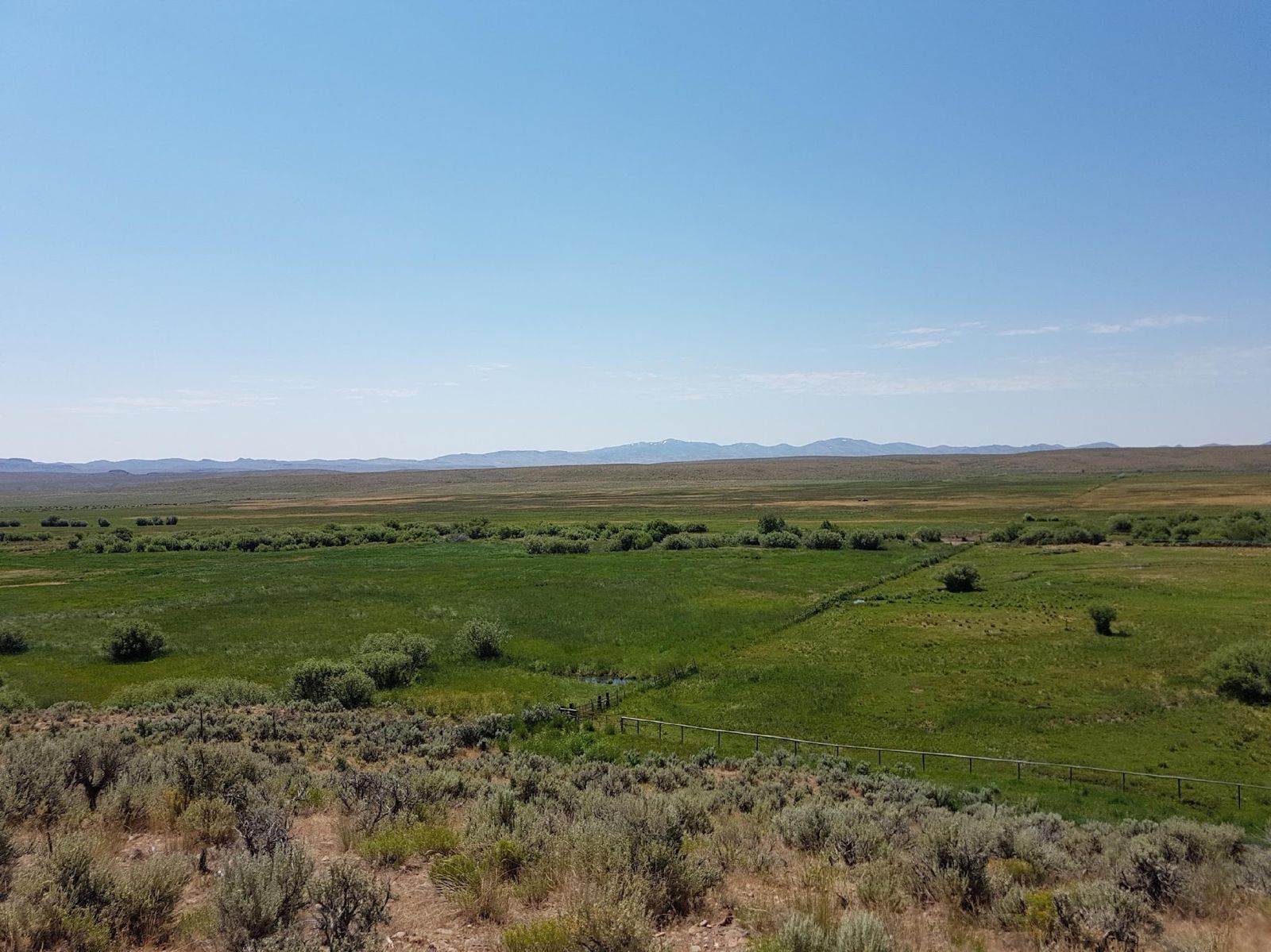
120 years of management
- 120 years under a degrading irrigation system
- Cut for hay
- Horse grazing
- Under tall sage more than 30 years ago
- 30 years of holistic management
- Good irrigation management

Same day, across the stream
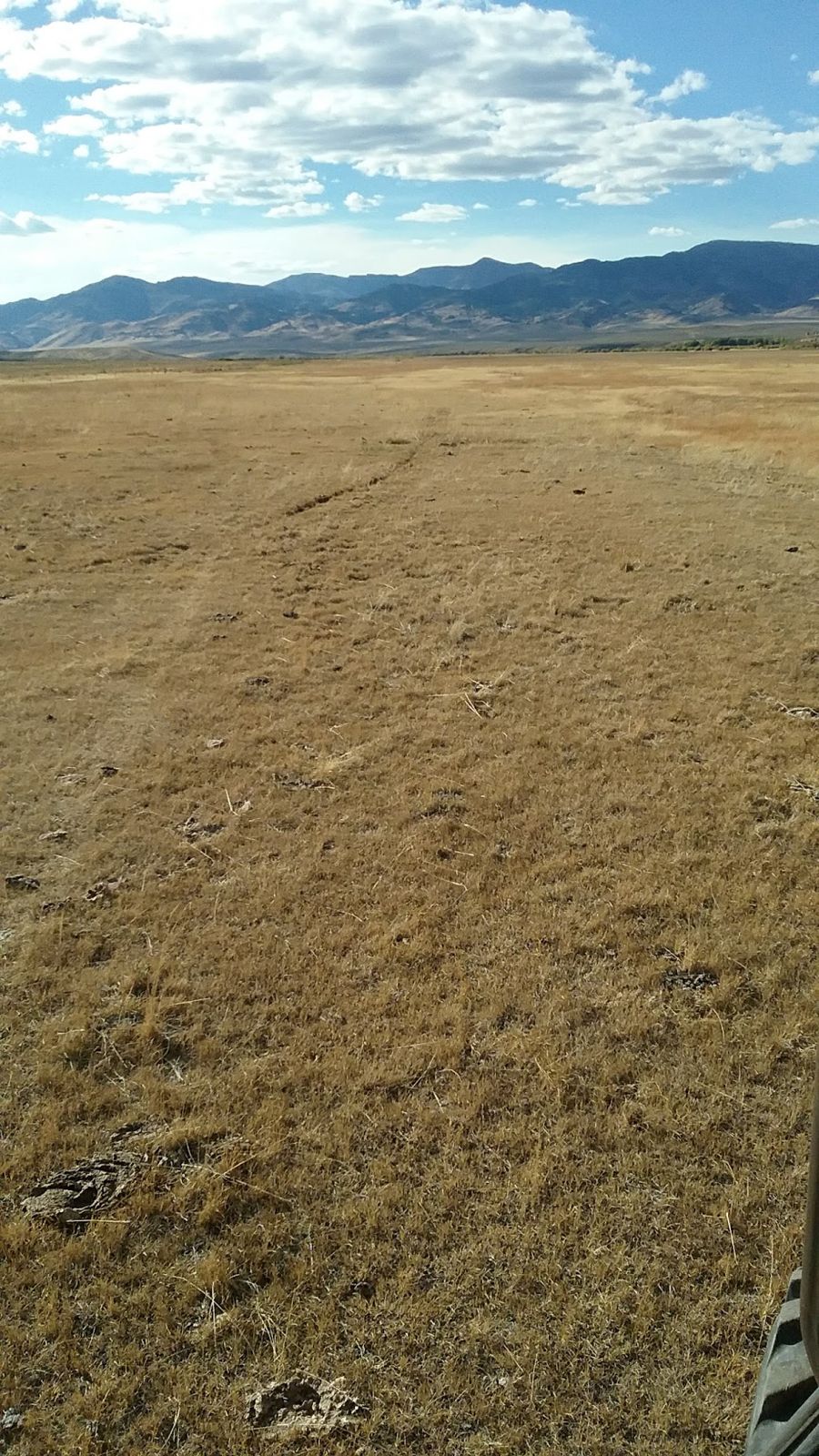
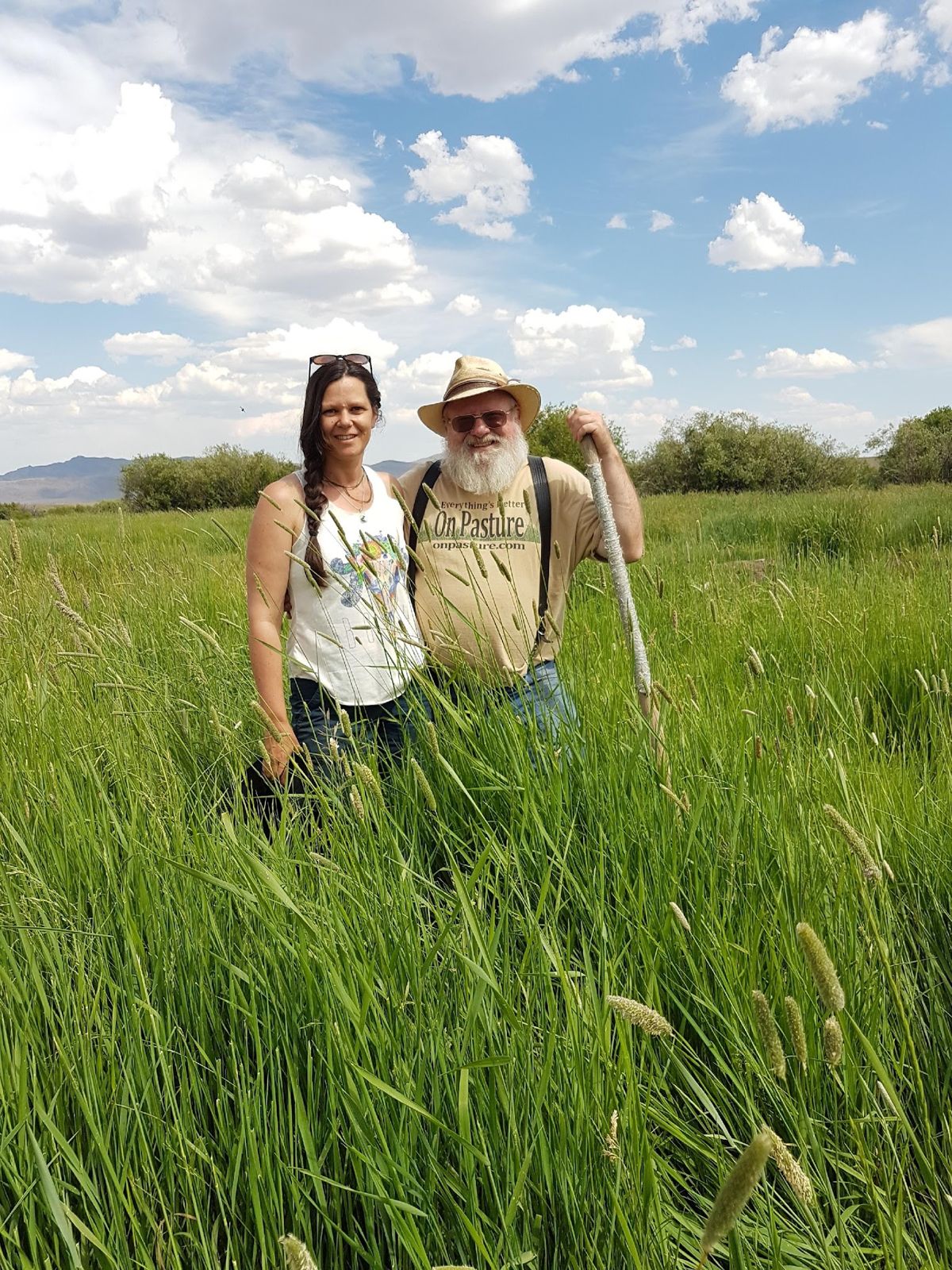
What the soil showed

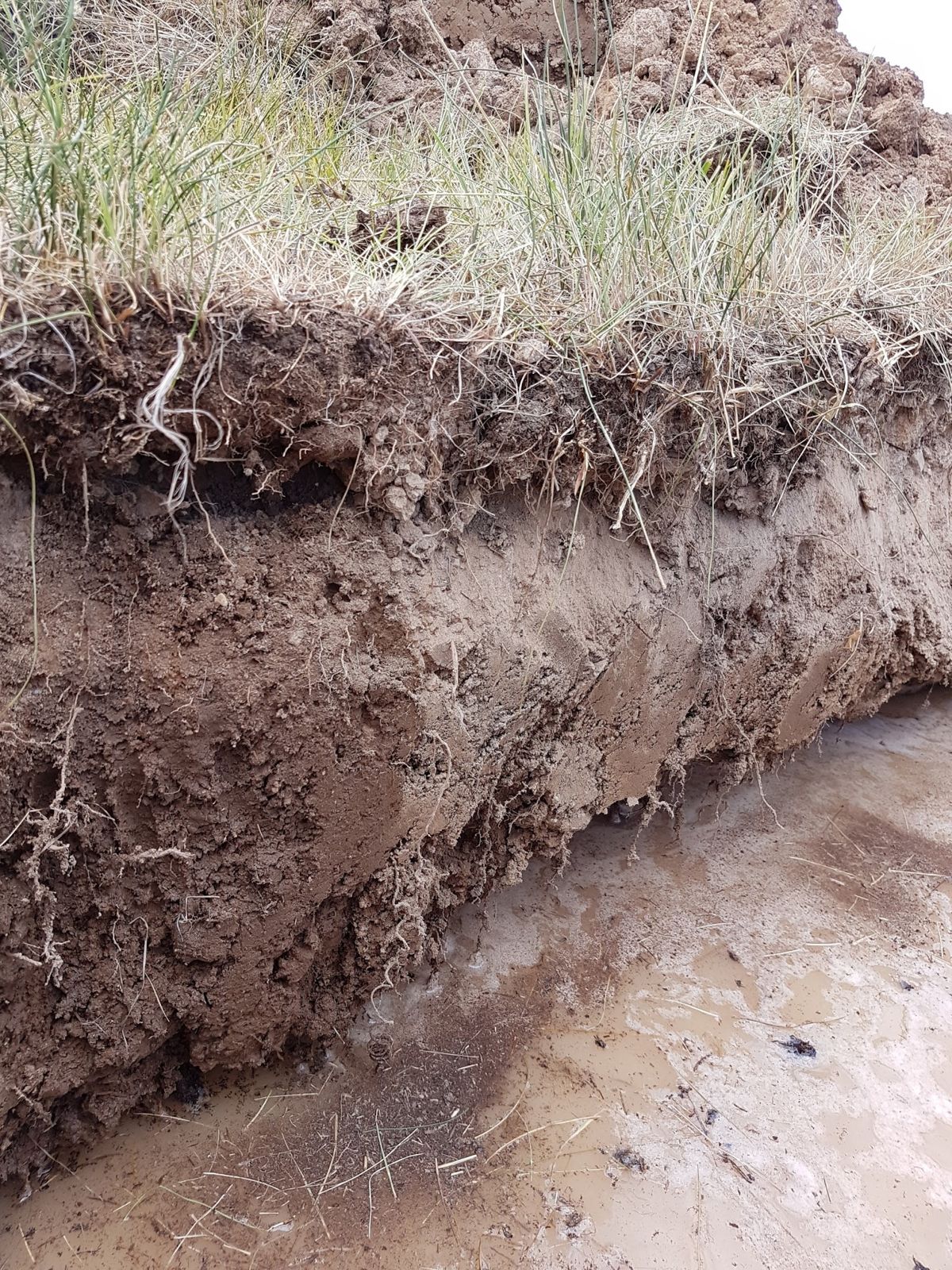
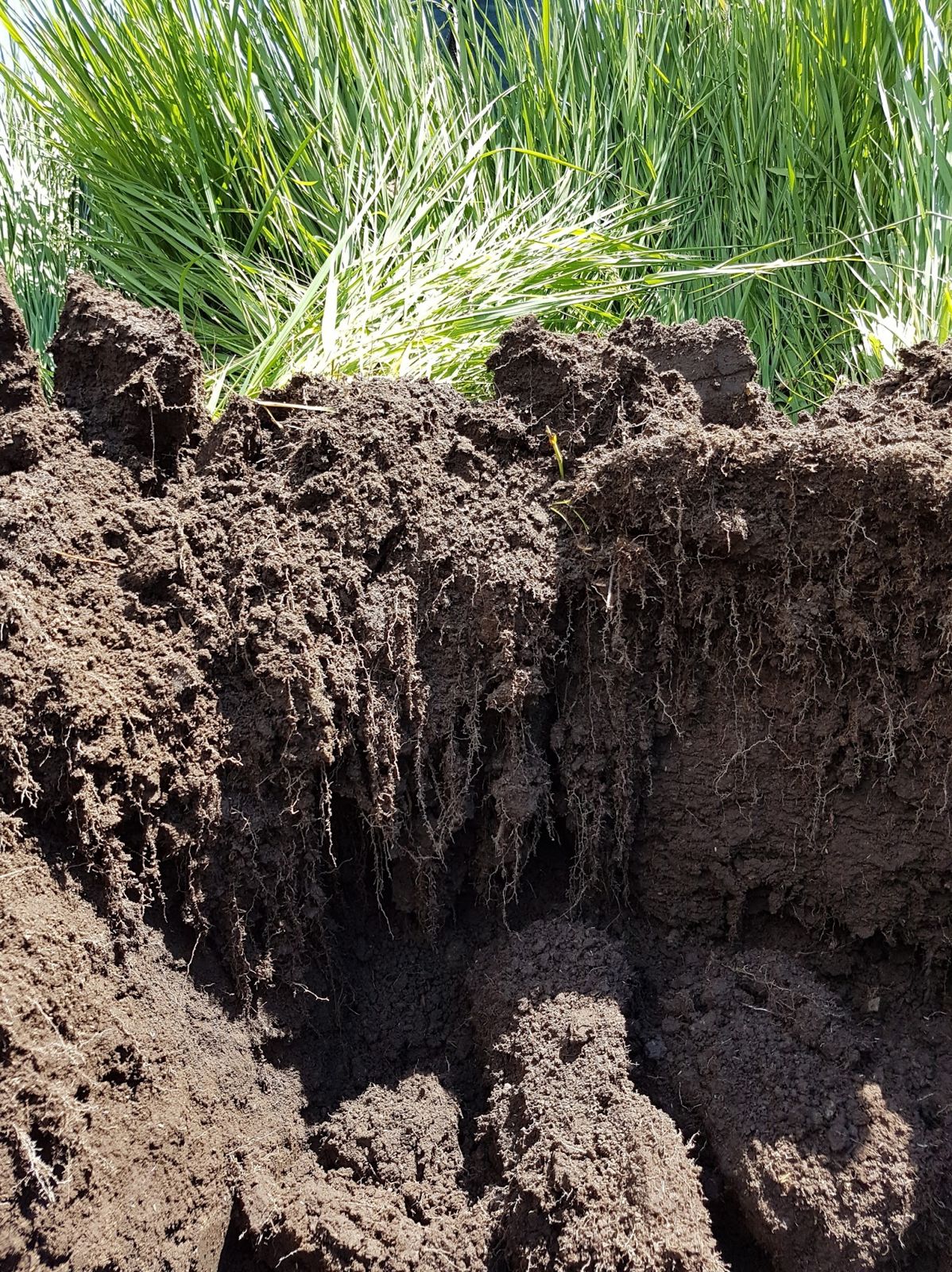
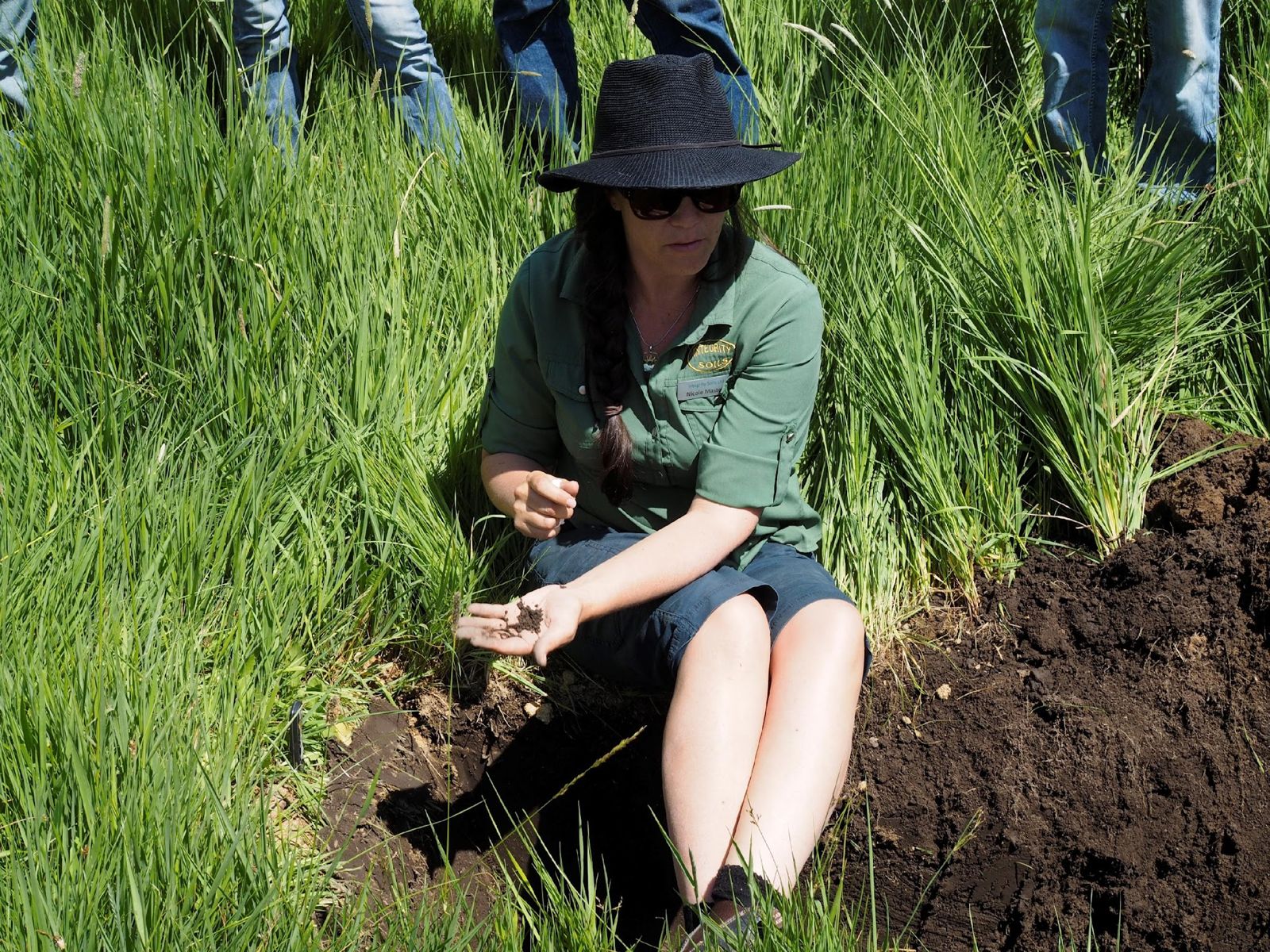
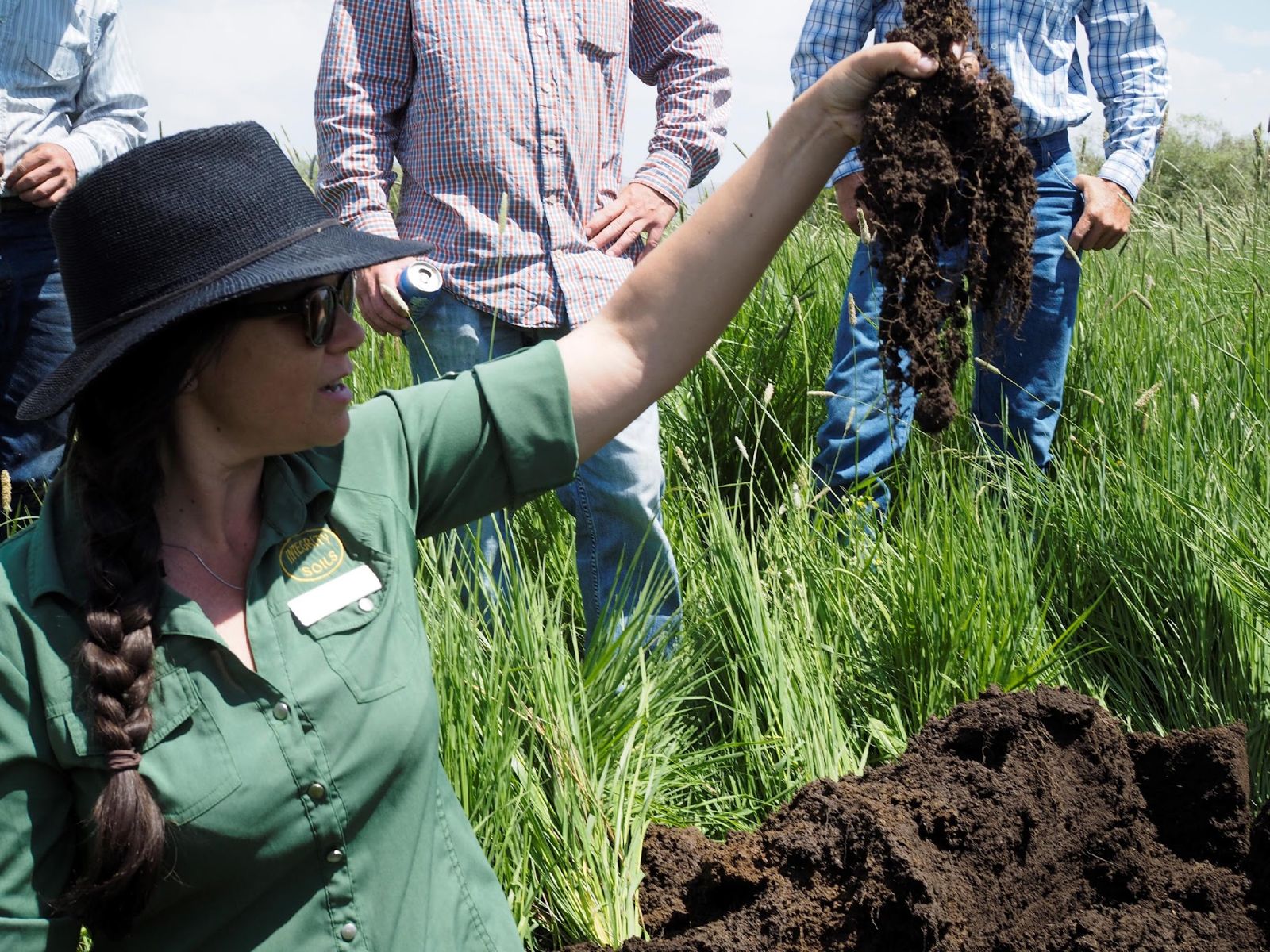
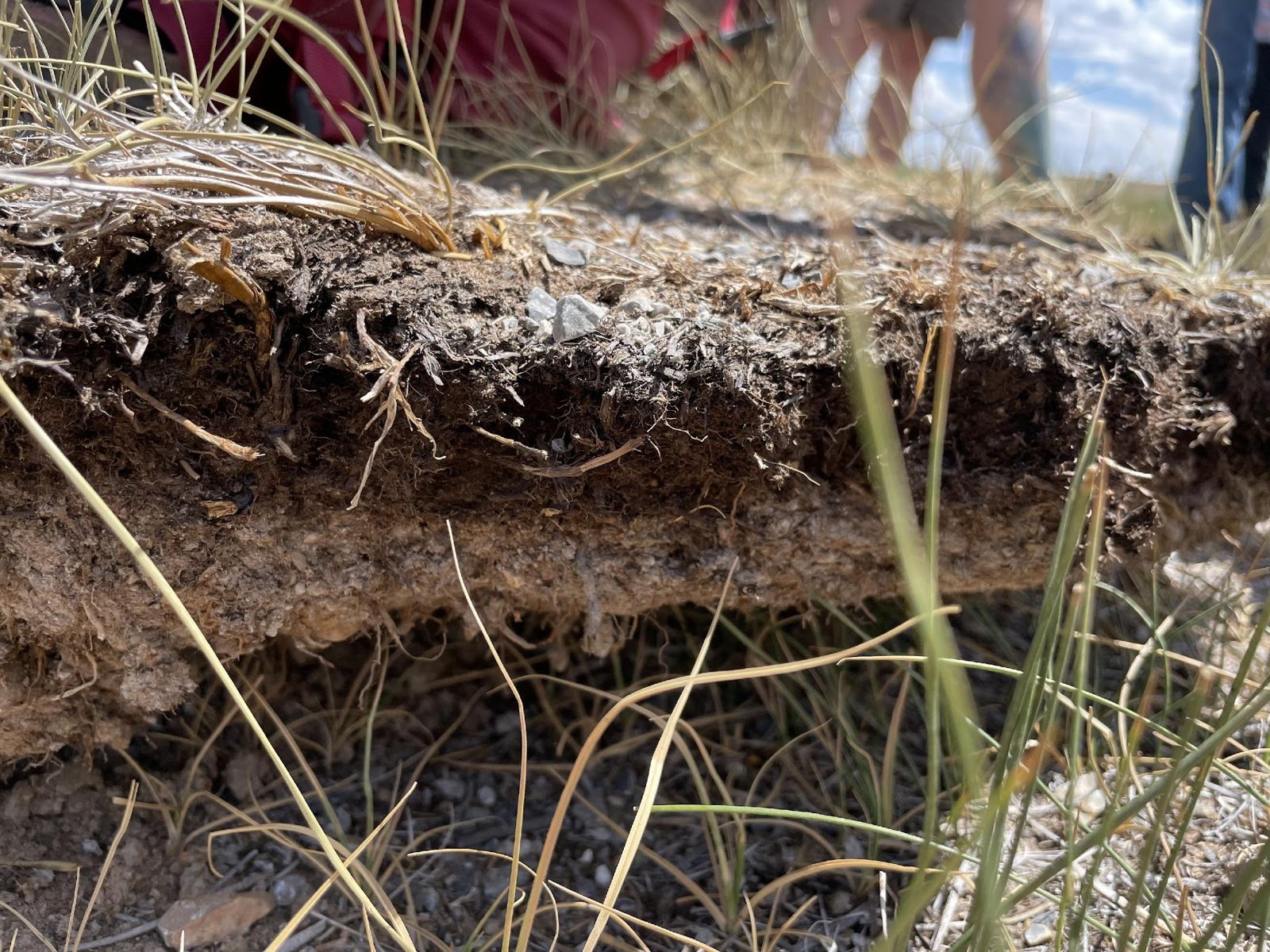
Humus holds about 7 times its weight in water, so 10 times the humus means roughly 70 times the water-holding capacity.
Underground, the gap was even wider
Soil biology tests from both sides, compared against target values. Red values are outside the target range; green values meet it.
| Fungi & bacteria (μg/g) | Target | South | North |
|---|---|---|---|
| Active fungi | > 30 | 1.04 | 10.38 |
| Total fungi | > 300 | 318 | 1,046 |
| Active bacteria | > 30 | 26 | 40 |
| Total bacteria | > 300 | 557 | 598 |
| Total fungi : total bacteria | 1.00–2.00 | 0.57 | 1.75 |
| Protozoa, AMF & nematodes | Target | South | North |
|---|---|---|---|
| Flagellates | > 10,000 | 297 | 16,441 |
| Amoebae | > 10,000 | 29,745 | 505,651 |
| Ciliates | < 300 · < 500 | 15 | 51 |
| AMF | > 0.10% | 0.09% | 0.14% |
| Root-feeding nematodes | – | 16% | 5% |
| N potential (lbs/acre) | – | 100 | 300+ |

What the animals were eating
| Nutrient | Desired | South | North |
|---|---|---|---|
| Crude protein | > 14% | 8% | 19% |
| Calcium | 0.8–1.4% | 0.72% | 1.08% |
| Phosphorus | 0.34–0.44% | 0.19% | 0.38% |
| Magnesium | 0.2–0.4% | 0.1% | 0.16% |
| Potassium | 2.5–3% | 1.3% | 3.19% |
Turning the south side around
2018 program
- Direct drilled a 7-species mix with 30 lb vermicast
- 1 tonne high-calcium rock dust
- Foliar application: fish hydrolysate, molasses, 2 pints humic acid, 5 lb Redmond salt
2019–2022
- 2019Ripped, no water
- 2020Installed pivots, but no water
- 2021Worst drought
- 2022Watered; added fertilizer in one pivot
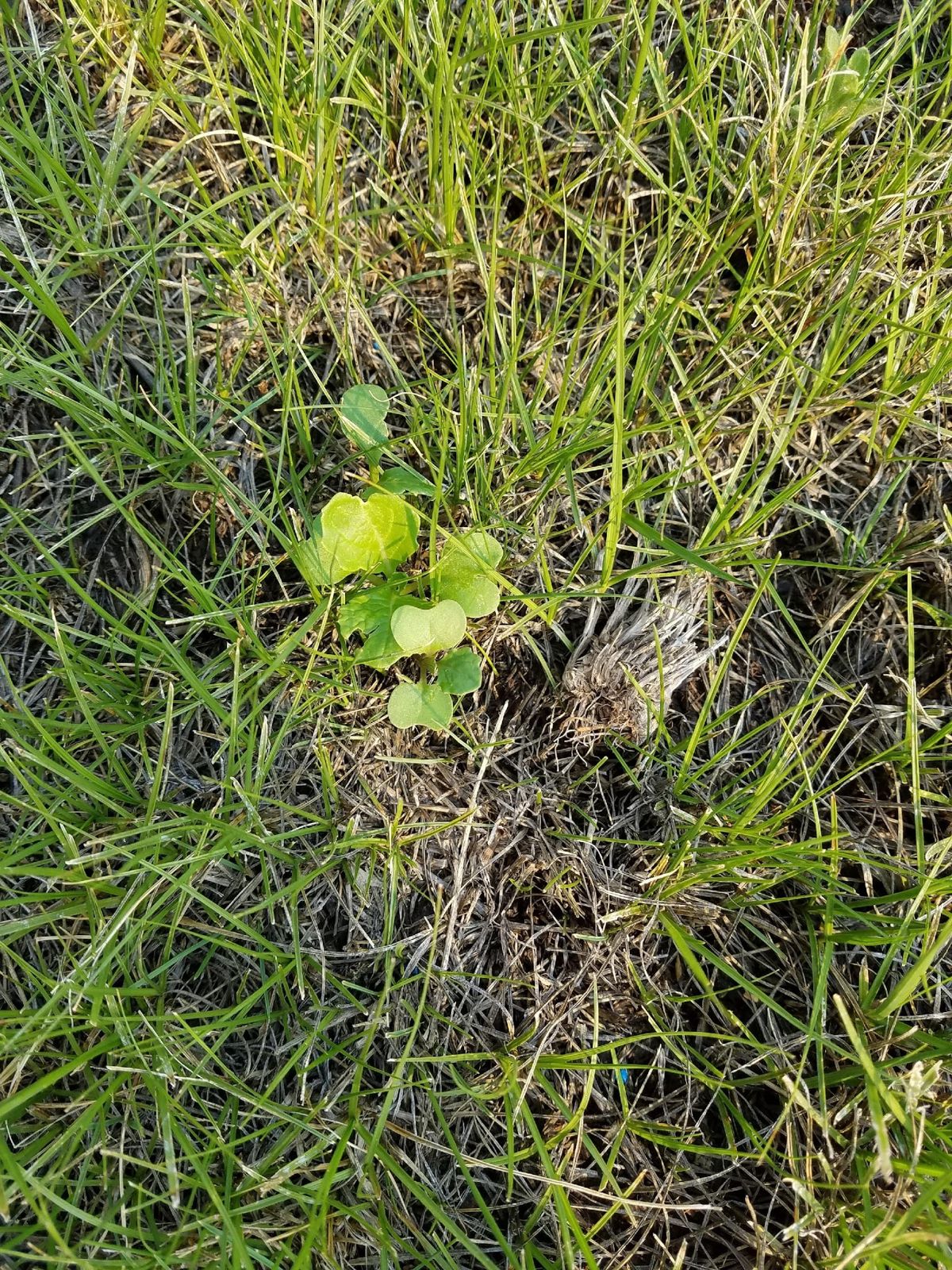
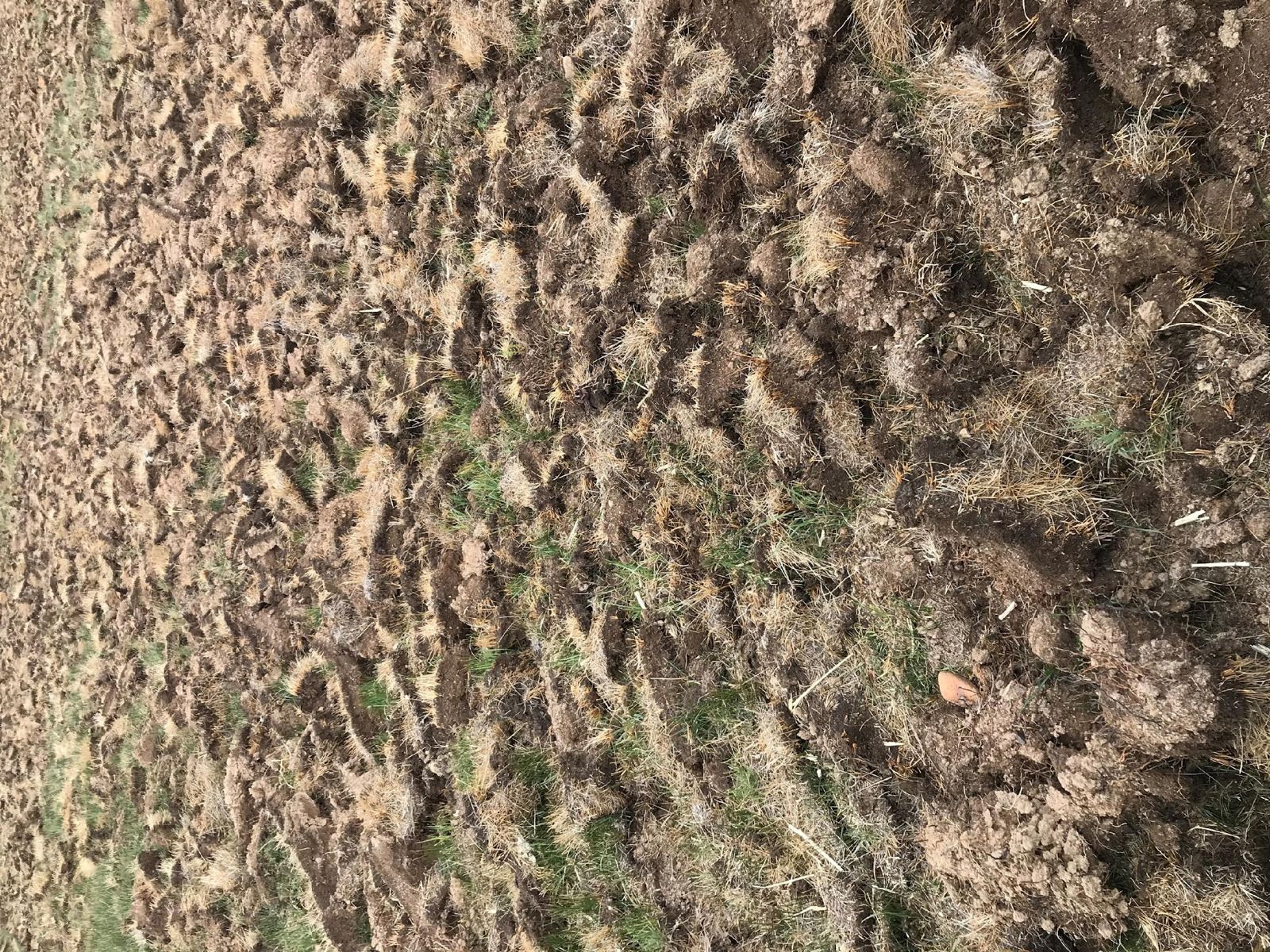
Same place, 2018 to 2022
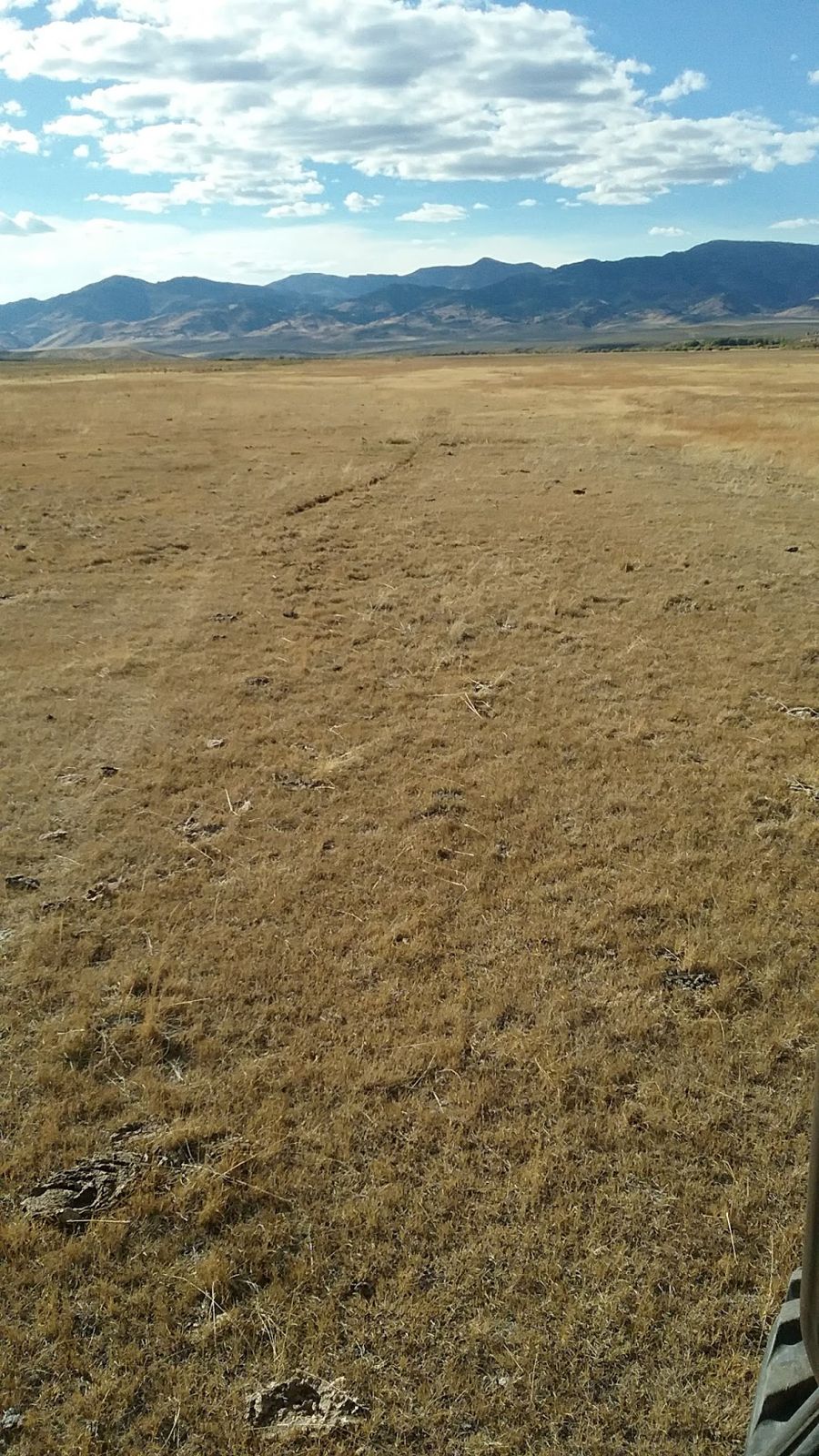
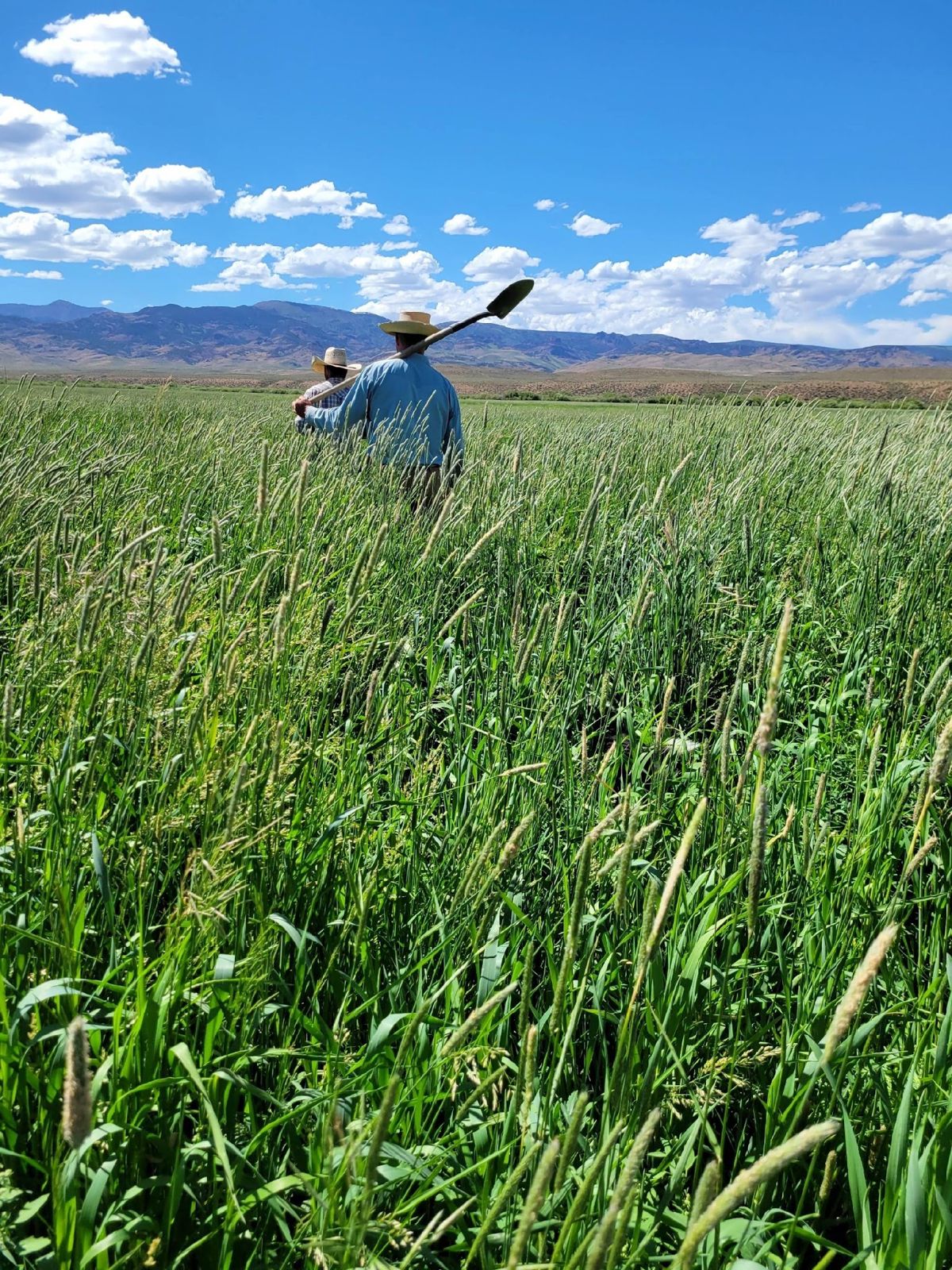
South side soil: no treatment and treatment
Biology, 2017 vs 2022
View the chart data as a table
| Measure | South 2017 | South 2022 | North 2017 | North 2022 |
|---|---|---|---|---|
| AMF colonization (%) | 7 | 11 | 14 | 43 |
| Fungal biomass (μg/g) | 318 | 665 | 1,046 | 1,036 |
| Fungi : bacteria ratio | 0.57 | 3.76 | 1.75 | 2.13 |
Why roots and microbes matter

Rhizodeposition
Plant root exudates are the soil conductors. They contain root-cell materials and mucilage, plus:
- Foods: soluble organic substances, sugars, amino acids, organic acids, enzymes
- Communication chemicals: fatty acids, sterols, glucosinolates, enzymes, flavanols
Rhizosheath
- Defence
- Nutrient uptake and N-fixation
- Buffers pH by 2 units
- Protection against salts, heavy metals and temperature fluctuations
Secondary metabolites
Not directly involved in normal growth and development. They include phenolics, alkaloids, essential oils, flavonoids, drugs, antibiotics, quinolines, terpenoids, coumarin, peptides and lectins.
