
From calendar spraying to soil first
Kokako Vineyard’s 100 hectares of vines relied on heavy fertiliser, fungicide and herbicide programmes, with uneven vigour and ripening across its blocks. Working with Integrity Soils from 2007, the vineyard cut its chemical use by two-thirds and lifted its grapes from Premium to Super Premium.
Enterprises
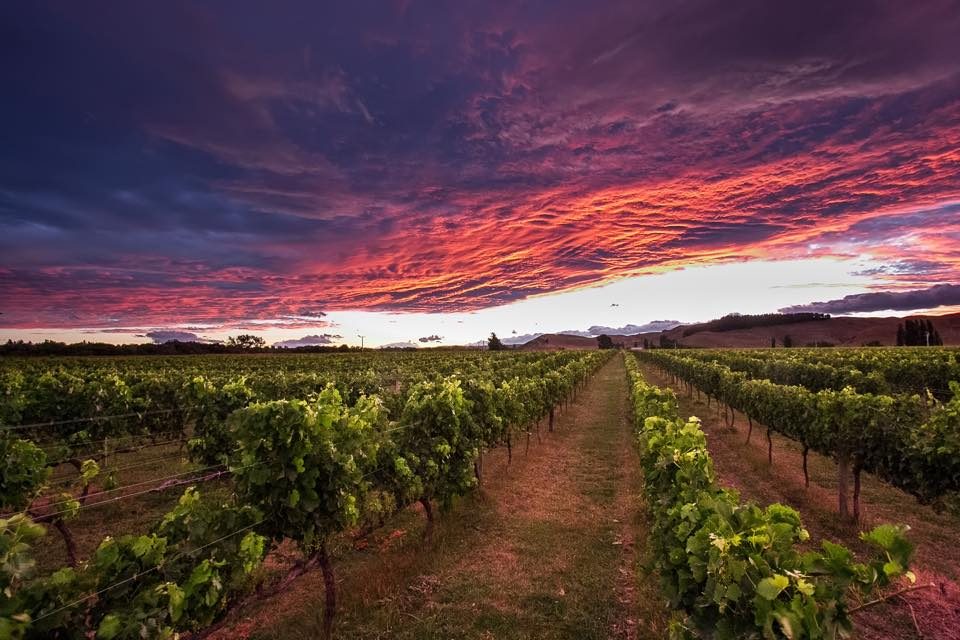
100 hectares of mixed-variety wine grapes in the Ohiti Valley, Hawke’s Bay, split across two sites with soils ranging from silt loams to heavy river gravels.
Motivation for change
The vines needed high fertiliser, trace element, fungicide and herbicide inputs to produce a viable crop. Some blocks had high vigour with poor fruit ripening; others grew and ripened unevenly. A long cropping history meant the silt loam blocks needed four to six herbicide applications a year, and the herbicide was leaving structureless, mossy dead zones in the soil.
Innovations
- Trialled halving herbicide use on one block, adding a biological product to buffer the chemical and maintain the kill rate;
- Removed the permanent herbicide strip from under the vines;
- Introduced biological products for vine and soil health;
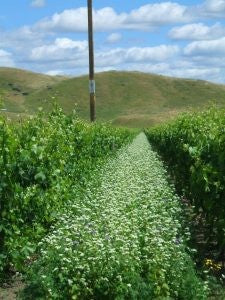
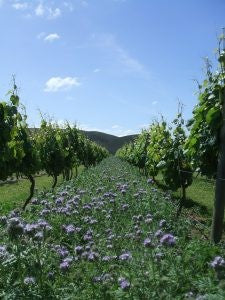
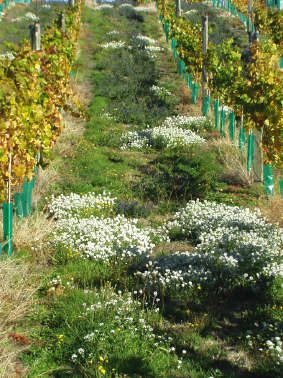
- Trialled inter-vine plantings to build soil health and provide biocontrol;
- Removed all organophosphates from the programme.
Key results
- Grapes lifted from Premium to Super Premium;
- Chemical use cut by two-thirds, with 11% fewer passes;
- Reduced or removed trace element applications (boron, calcium, magnesium);
- More even vigour and ripening across blocks, less water stress and fewer mealybugs in the canopy;
- Earthworms returned, production costs fell and overall profitability increased.
- In 2026, Bruce Nimon was named the inaugural Viticulturist of the Year at the Hawke’s Bay Wine Awards.
High inputs, uneven vines
Kokako Vineyard sits in the Ohiti Valley, Hawke’s Bay, with 100 hectares of mixed varieties across two sites, on soils ranging from silt loams to heavy river gravels. Integrity Soils began working with Bruce Nimon and Kokako Farms in 2007 to explore how they could move from a high-input, calendar-driven chemical system to a proactive, soil-first approach.
At the time, the vines needed high fertiliser, trace element, fungicide and herbicide inputs to produce a viable crop. Some blocks had high vigour with poor fruit ripening; others were uneven in growth and ripening. Low production in some blocks and high vigour in others were affecting grape quality.
A long history of cropping meant the silt loam blocks needed four to six herbicide applications a year, more than the industry norm, to deal with problem weeds such as mallow, nettle, prickly pear and fat hen. The herbicide was taking a visible toll on the soil, leaving structureless, mossy dead zones.
Start with a trial, not an ultimatum
Herbicide was clearly a major limiting factor. But not everyone wants to hear “you need to pull your spray programme”, so Integrity Soils worked with Bruce to trial halving chemical use on one block straight away. Adding a biological product designed to buffer the chemical and improve its efficacy achieved the same kill rate while reducing harm to soil microbiology.
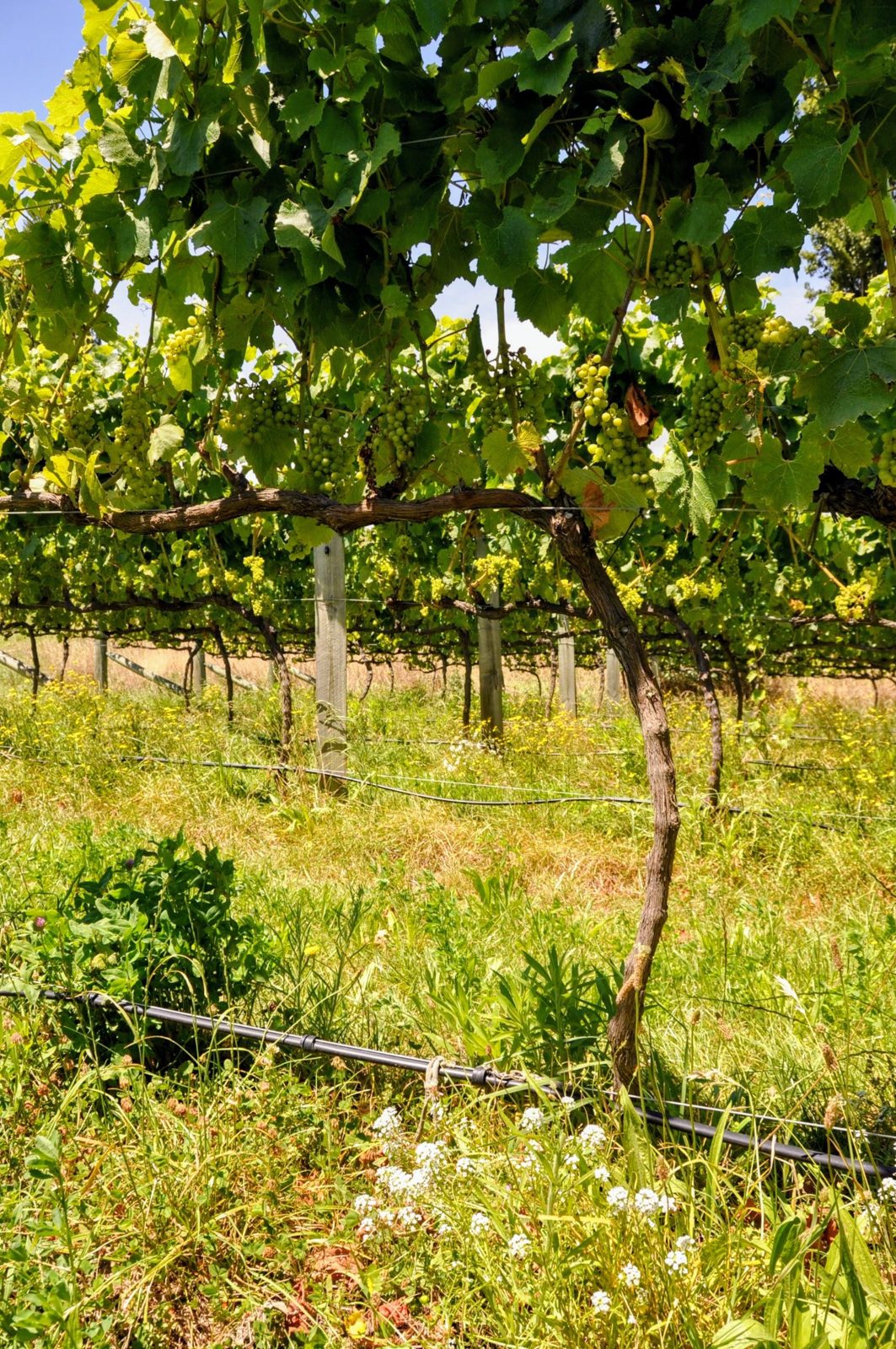
Removing the permanent herbicide strip from under the vines turned out to be the single biggest shift in the grape-growing system. Once the trials showed merit, Bruce introduced biological products for vine and soil health, and began trialling other approaches, including inter-vine plantings to build soil health and provide biocontrol.
Better vines, lower costs
The benefits of the change were substantial, with improvements in vine health and grape quality that lifted Kokako’s blocks from Premium to Super Premium.
- Better weed control
- Less variation between blocks, and more consistent ripening
- Reduced vigour
- Fewer nutrient deficiencies, some eliminated entirely
- Less water stress
- Fewer mealybugs in the canopy
- The return of earthworms
- Trace element applications (boron, calcium, magnesium) reduced or removed
- All organophosphates removed, with health benefits for staff
- Chemical use cut by two-thirds
- 11% fewer passes through the vineyard
- Lower production costs and higher overall profitability
A Ministry for Primary Industries (MPI) study of North Island vineyards placed Kokako among the most cost-effective vineyards in the North Island on cost per hectare.
A curious, critical grower
Bruce took on his programme with an open and critical mind. He always wanted to see the results and the research behind each step, which kept the Integrity Soils team on its toes.
In our experience, the key to success in any biological farming system, and its biggest limiting factor, is the land manager’s ability to observe, ask questions and build a thirst for knowledge.
Viticulturist of the Year
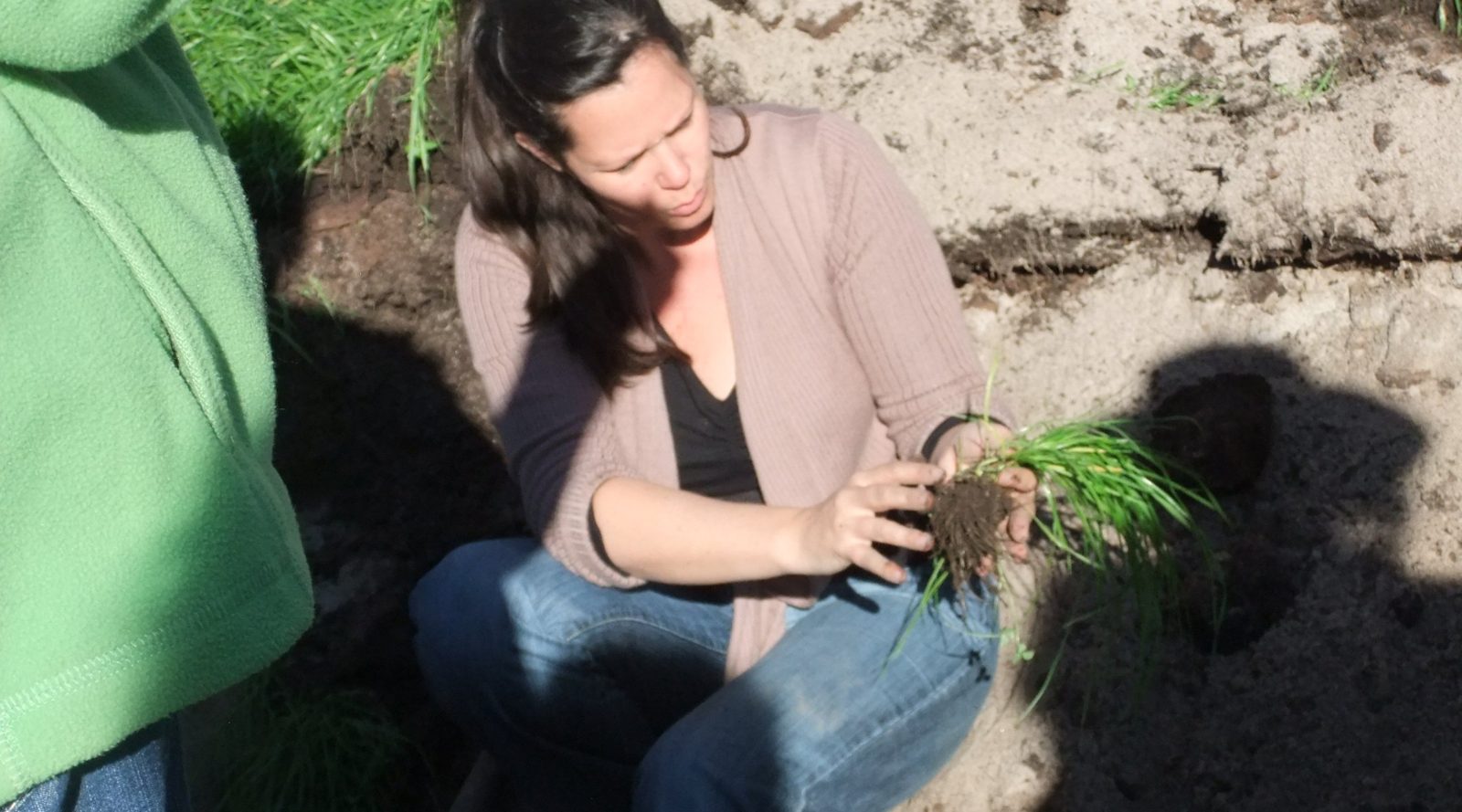
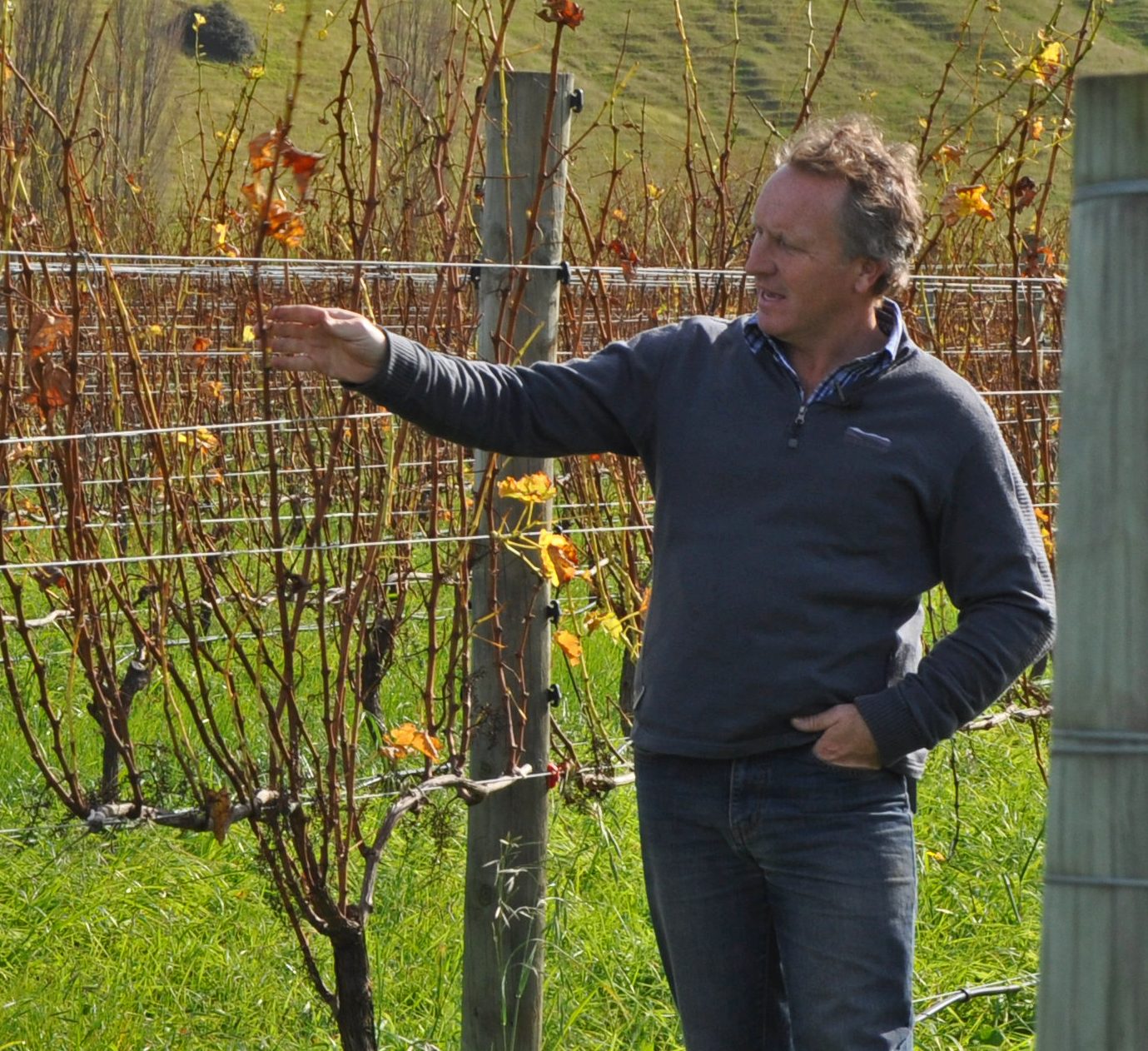
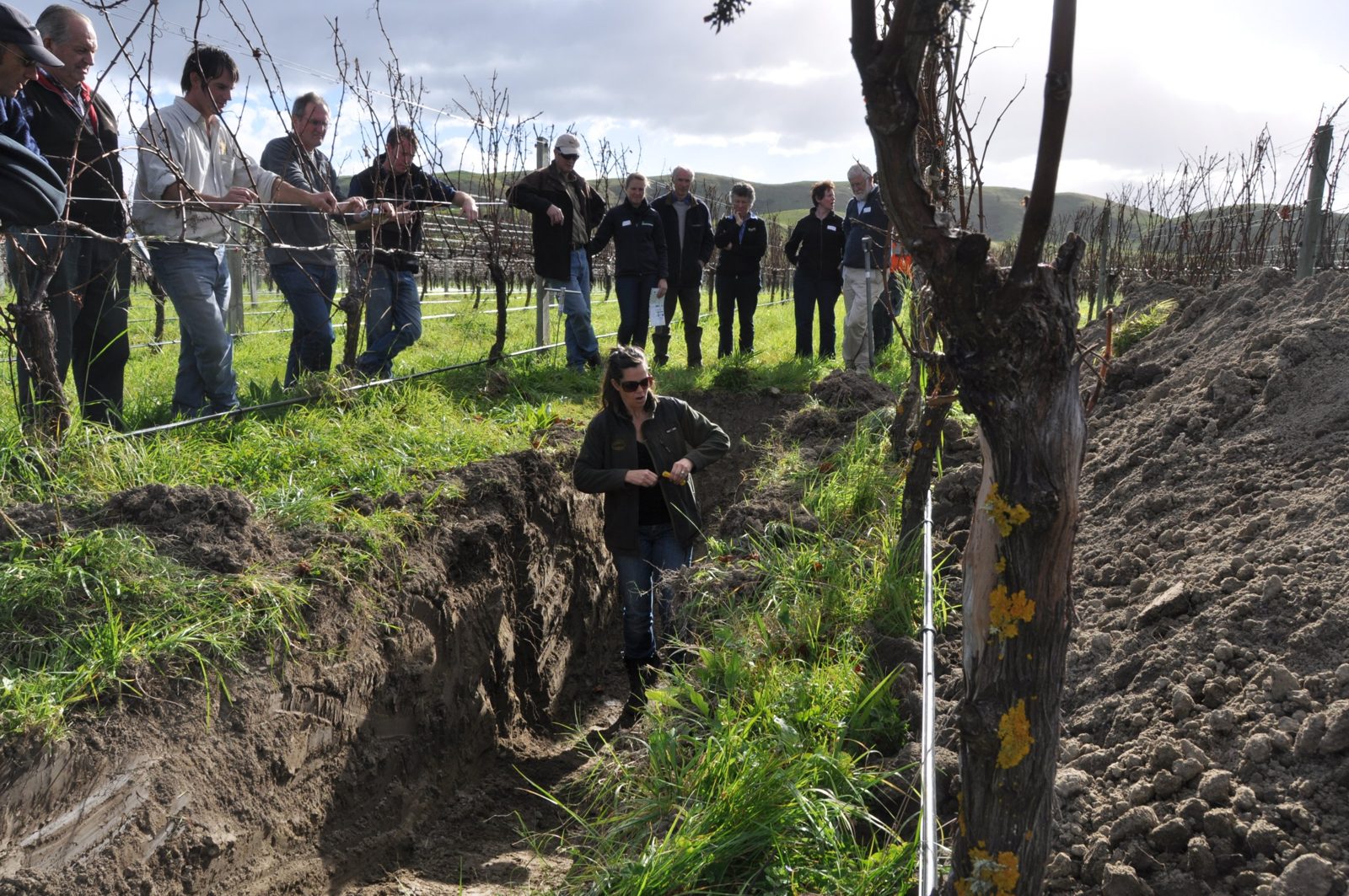
In 2026, Bruce Nimon of Kokako Farms was named the inaugural Viticulturist of the Year at the Hawke’s Bay Wine Awards. It is a special one for all of us at Integrity Soils: Bruce was Nicole Masters’ very first consulting client, and the photos on this page are from some of their early meetings.
Over 33 years, Bruce has planted more than 120 hectares of vines across Hawke’s Bay. His regenerative approach, built on cover crops, multispecies inter-row swards and reduced cultivation, has his vineyards using noticeably less spray, sulphur, herbicide and water than the regional average. He also helped build the first Hawke’s Bay-made under-vine mower, which is now on its third version.
He gives back, too: serving on the board of Hawke’s Bay Winegrowers, teaching at EIT, sharing his flood recovery plans after Cyclone Gabrielle, and mentoring growers who now run vineyards in Hawke’s Bay and overseas.
Well deserved, Bruce. Thank you for backing your soils from day one.
Interested in results like these?
See our directory of coaches or contact us directly. Taking a limited number of US-based clients in 2027.